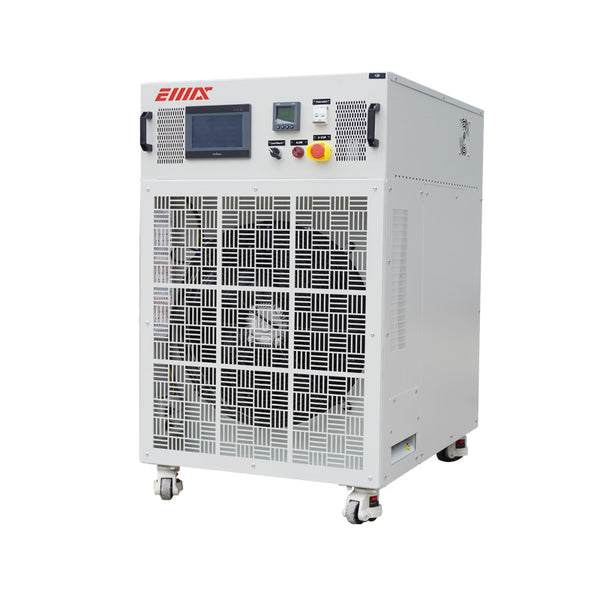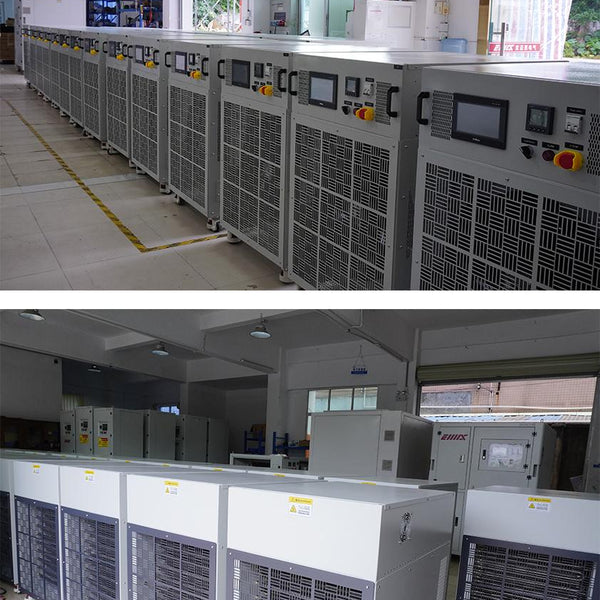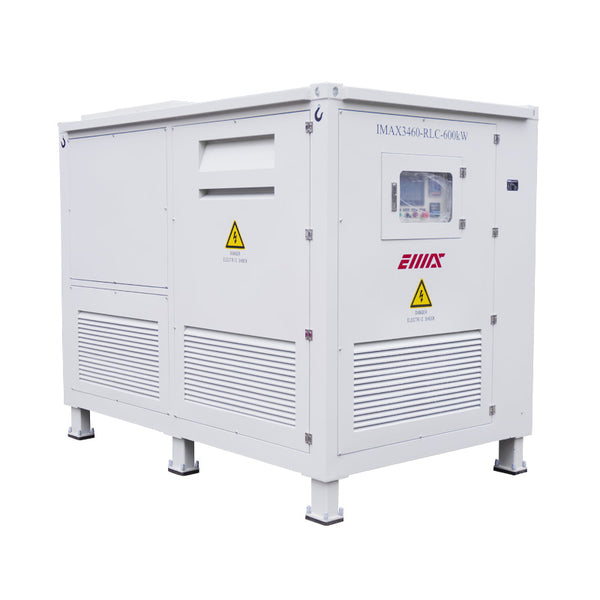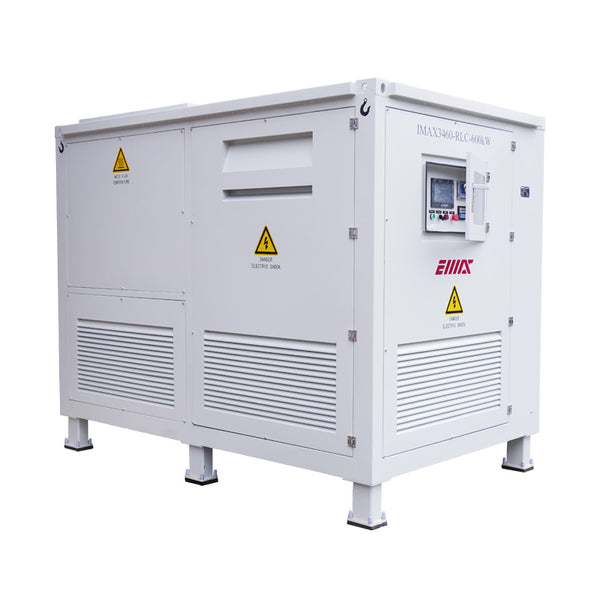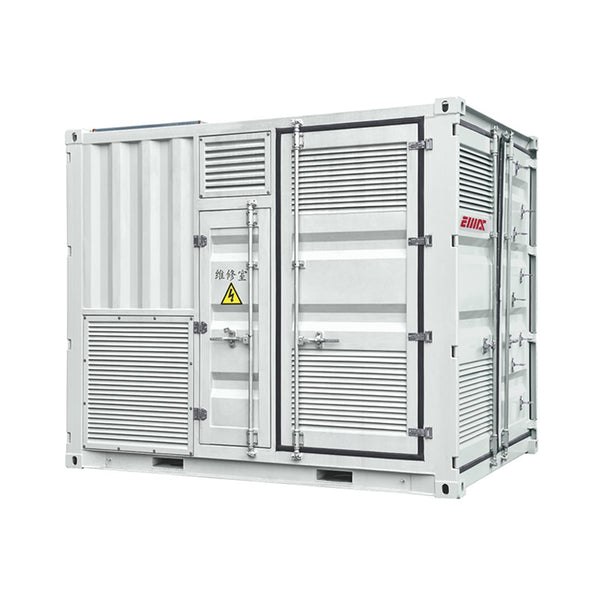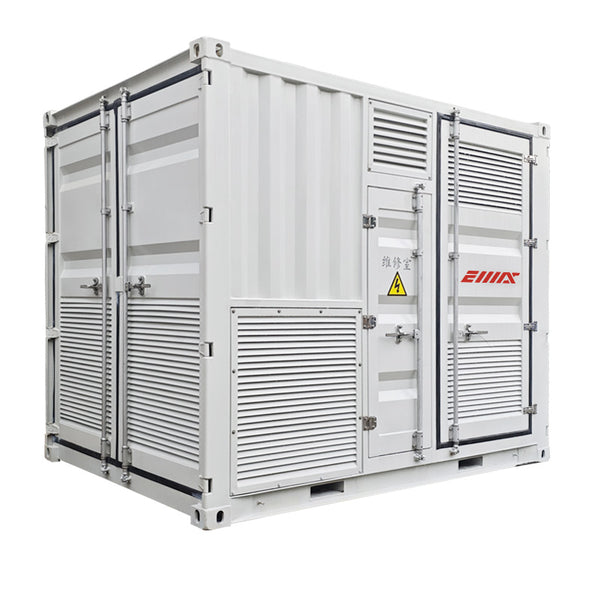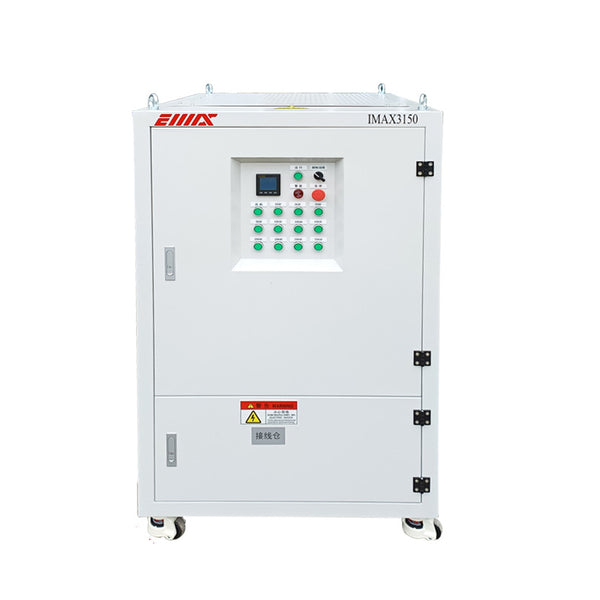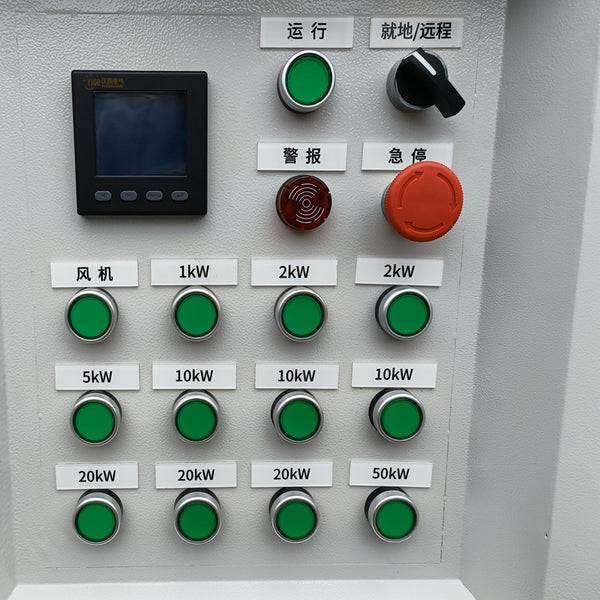
Microgrid is a small-scale power generation and distribution system consisting of distributed power sources, energy storage devices, energy conversion devices, loads, monitoring and protection devices, etc. It is a small-scale system that uses controllable distributed power sources to provide electricity to users within a certain area according to their needs.
1. Importance of Load Testing
Load testing assesses microgrid performance by simulating different load conditions (such as normal operation, peak load, or fault conditions), helping to identify system bottlenecks, verify responsiveness, and ensure stable power supply in various scenarios.
2. Key Role of Load Balancing
Load balancing dynamically distributes power from various power sources (such as solar, wind, and energy storage), ensuring even load distribution and achieving the following goals:
Improving energy efficiency; enhancing stability (avoiding localized overloads or voltage imbalances, especially during microgrid grid-connected/off-grid switching, maintaining frequency and voltage stability); extending equipment lifespan; and supporting intelligent management.
1. Define the load type and simulation requirements.
2. Match the load capacity with the microgrid scale.
3. Determine the control method and automation requirements.
4. Focus on stability, response speed, and accuracy.
5. Design safety protection and heat dissipation.
$132.00